Key Takeaways
- 1.The Trump administration has halted several large offshore wind projects, citing national security concerns related to radar interference.
- 2.The paused projects represent nearly 6 gigawatts of potential generating capacity on the Eastern seaboard.
- 3.Radar interference from wind turbines has been a known issue for over a decade, with mitigation strategies available.
- 4.The government is working with wind developers to address radar concerns, but the issue continues to cause delays.
- 5.This decision reflects a continued conflict between promoting renewable energy and national security interests.
Recent developments reveal the ongoing challenges in the renewable energy sector, specifically concerning offshore wind projects. The Trump administration has taken action to pause leases for several significant offshore wind projects, citing national security concerns related to radar interference. This decision has caused a ripple effect across the industry, raising questions about the balance between renewable energy development and protecting critical infrastructure.
The Projects Affected and Their Potential Impact
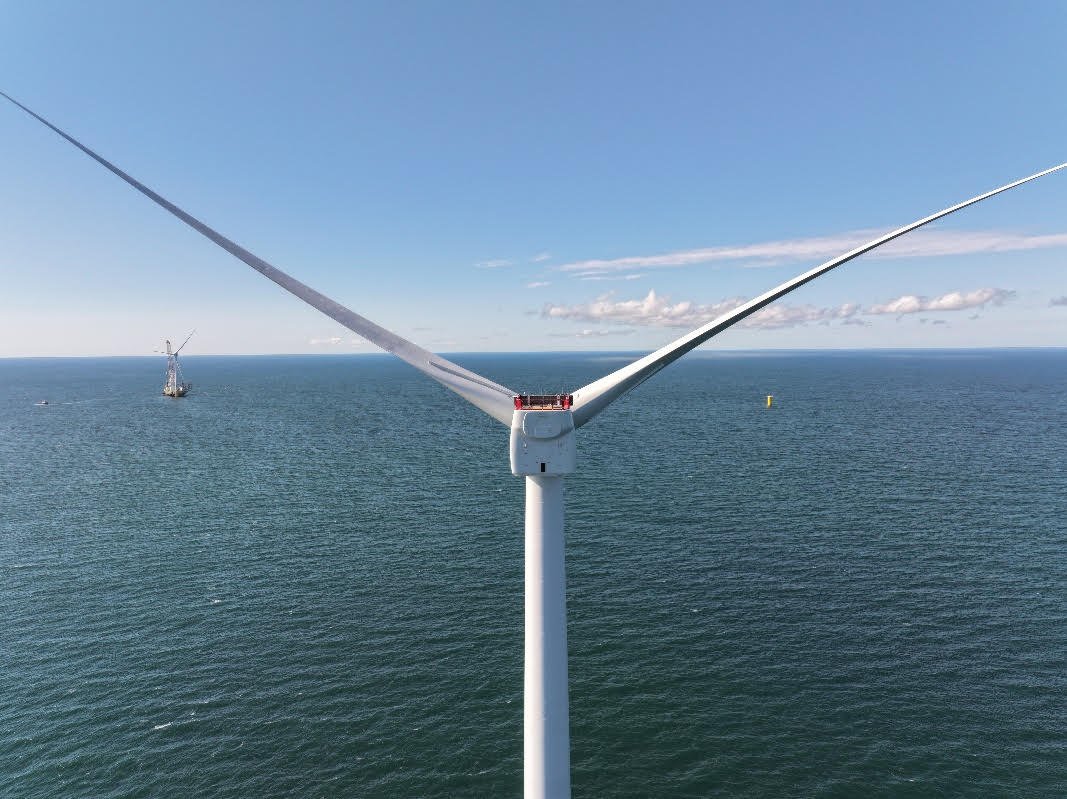
The pause impacts a series of large-scale projects along the Eastern seaboard. These include Revolution Wind in Connecticut and Rhode Island, Coastal Virginia Offshore Wind, Vineyard Wind in Massachusetts, and Empire Wind and Sunrise Wind in New York. Collectively, these projects are estimated to generate nearly 6 gigawatts of generating capacity. The Eastern seaboard is a key area for data center development, making the pause a more significant concern due to the increasing reliance on reliable power sources. This pause could delay the transition to cleaner energy sources and affect economic growth in the region.
The Rationale: National Security and Radar Interference
The Department of the Interior has justified its actions by pointing to unclassified government reports and classified reports from the Pentagon. However, the specific reports were not directly referenced. The primary concern revolves around the potential for offshore wind farms to interfere with radar systems used for national security purposes. Specifically, the government is likely referring to the issue of radar interference, a problem where wind turbines can disrupt radar signals, potentially impacting the ability of radar systems to detect and track objects.
The Science Behind Radar Interference
Radar interference from wind turbines has been a subject of research and mitigation efforts for well over a decade. Wind turbines can interfere with radar systems because the rotating blades create a complex "Doppler signature." As the blades move, they alter the frequency of radar signals, making it difficult for radar operators to differentiate between legitimate targets and the reflections from the turbines. The Federal Aviation Administration (FAA) has published guidance on this issue. This guidance highlights the challenges and offers recommendations for mitigating radar interference.
Mitigation Strategies
Researchers and the wind energy industry have developed various strategies to mitigate radar interference. These include:
- Wind farm siting: Modifying the layout of a wind farm to avoid direct line-of-sight interference with radar installations.
- Radar signal processing: Employing advanced algorithms, like Space-Time Adaptive Processing (STAP), to filter out the interference patterns produced by wind turbines. These algorithms are analogous to noise-canceling headphones, identifying and suppressing unwanted signals.
- Radar system upgrades: Installing new radar systems or upgrading existing ones to be more resilient to interference.
The Department of Energy (DOE) has also published reports outlining some of these mitigation strategies. While these methods have improved the situation, no single technology completely eliminates the problem.
Prior Legal Challenges and Ongoing Efforts
This recent pause in offshore wind development follows a legal challenge that struck down a previous executive order blocking offshore wind projects. This legal history adds complexity to the situation and highlights the political sensitivities surrounding renewable energy projects. Despite these challenges, both the government and wind developers have been working for years to find solutions to the radar interference issue. This ongoing collaboration emphasizes the need to balance renewable energy goals with national security requirements.
The Broader Implications
This situation underscores the intricate relationship between energy policy, national security, and technological innovation. It reflects the ongoing debates over the best ways to balance the benefits of renewable energy with other crucial societal needs. The decision to pause the projects could cause further delays in achieving renewable energy goals, potentially slowing the transition to a cleaner energy future. Addressing radar interference effectively will be crucial to allow the continued development of offshore wind projects.
Conclusion
The Trump administration's pause on offshore wind leases, due to radar interference concerns, demonstrates the complex challenges facing the renewable energy industry. While the concerns are rooted in legitimate national security considerations, the impact on significant wind projects highlights the need for continued collaboration between government, developers, and technology providers. Finding effective mitigation strategies will be essential for realizing the full potential of offshore wind and creating a more sustainable energy future.
Frequently Asked Questions (FAQs)
1. Why is the government pausing these offshore wind projects? The government is pausing the projects due to concerns about potential radar interference, citing national security risks.
2. What is radar interference, and how do wind turbines cause it? Radar interference is when wind turbines disrupt the signals of radar systems. The rotating blades of wind turbines create a complex Doppler signature that can interfere with radar's ability to detect targets.
3. What projects are affected by the pause? The projects affected include Revolution Wind, Coastal Virginia Offshore Wind, Vineyard Wind, Empire Wind, and Sunrise Wind.
4. What mitigation strategies are being used to address the radar interference issue? Mitigation strategies include modifying wind farm layouts, using adaptive signal processing, and upgrading radar systems.
5. What are the potential impacts of this pause on the renewable energy sector? The pause could delay the transition to cleaner energy sources and impact economic growth in the regions where these projects are planned. It also reflects the tension between promoting renewable energy and addressing national security needs.
Topics covered:
#Climate