Key Takeaways
- 1.Tory Bruno resigned as CEO of United Launch Alliance after 12 years.
- 2.The resignation occurs during a period of intense competition from private space companies.
- 3.ULA's next-generation Vulcan rocket aims to compete with SpaceX and reduce reliance on Russian rockets.
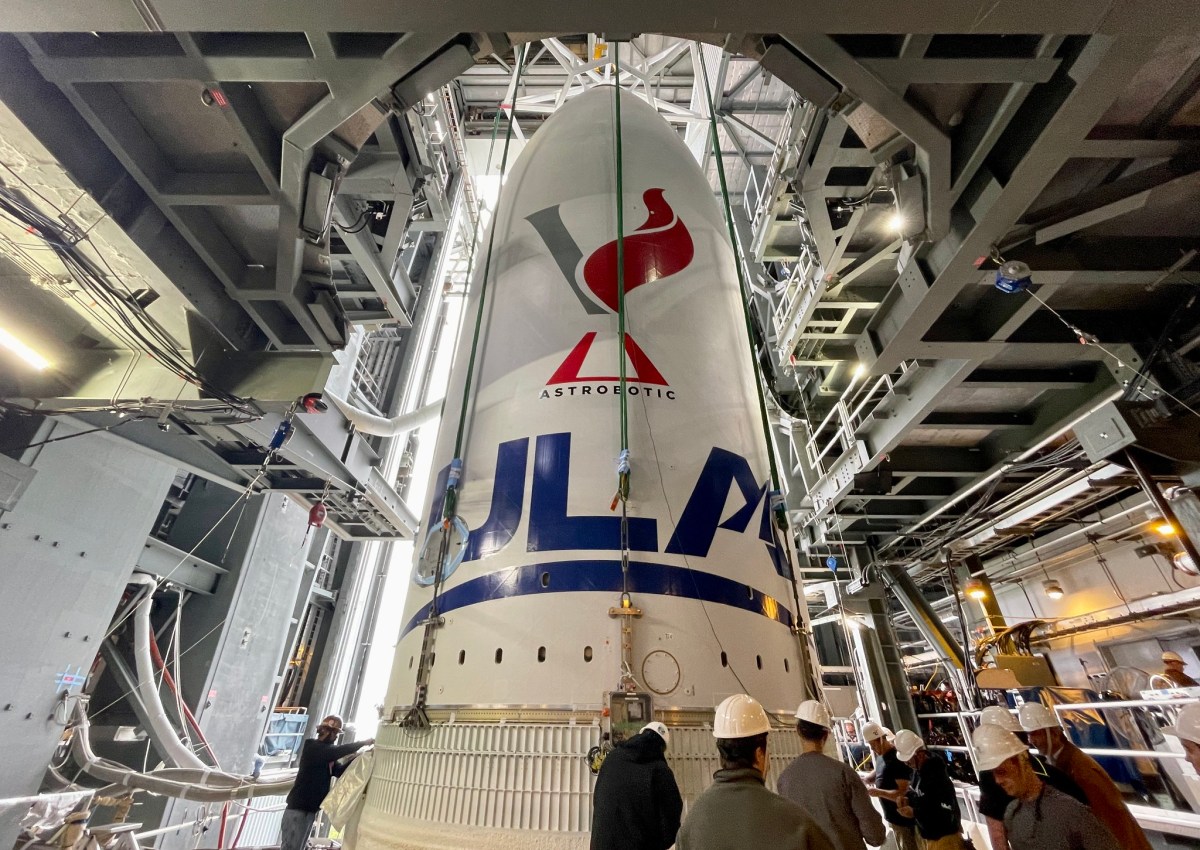
- 4.Vulcan has secured customers like Amazon and Astrobotic.
- 5.ULA is exploring rocket reusability to remain competitive.
United Launch Alliance (ULA), a major player in the space launch industry, is undergoing a significant leadership transition. Tory Bruno, the CEO, has resigned after 12 years at the helm. This departure signals a pivotal moment, as the company faces a rapidly evolving market landscape shaped by the rise of private spaceflight companies. This article delves into the details of Bruno's resignation, ULA's current standing, and the competitive pressures reshaping the space launch sector.
The Departure of Tory Bruno
Tory Bruno's resignation, announced on December 22, 2025, marks the end of an era for ULA. Bruno stated his intention to "pursue another opportunity," a standard phrase often used in such announcements. During his tenure, Bruno oversaw significant developments, including the creation and initial development of ULA's next-generation Vulcan rocket. His leadership helped ULA remain a significant provider to both NASA and the Department of Defense for years.
The ULA board, including Robert Lightfoot and Kay Sears, acknowledged Bruno's contributions, expressing gratitude for his service. However, the timing of the resignation is significant. It comes as ULA faces growing competition from newer, more agile companies that are disrupting the established order of space launches.
The Ascent of Private Space Companies
The space launch market has changed dramatically in recent years. SpaceX, led by Elon Musk, has rapidly increased its launch frequency and secured numerous government contracts, making it the dominant player. Meanwhile, Blue Origin, founded by Jeff Bezos, is becoming a more serious contender after the successful initial missions of its New Glenn rocket. These companies are pushing the boundaries of technology and driving down costs, putting pressure on established players like ULA.
ULA, a joint venture created by combining the space launch businesses of Boeing and Lockheed Martin, has long been a key provider of launch services. However, the emergence of SpaceX and other private companies has forced ULA to innovate and adapt. The company's future hinges on its ability to compete effectively in this new environment.
To understand the broader implications of these industry shifts, you can read more about the evolution of the space industry on the official NASA website: NASA.
The Vulcan Rocket: ULA's Hope for the Future
A key initiative under Bruno's leadership was the development of the Vulcan rocket. The primary goals of the project were to help ULA keep pace with SpaceX and reduce the US government’s reliance on Russian rockets for access to space. The Vulcan program, however, faced several delays, with its inaugural launch finally occurring in 2024. The development cycle lasted a decade, during which SpaceX solidified its dominance. The Vulcan rocket's design incorporated elements from previous ULA programs, such as Atlas and Delta rockets, in an effort to control costs.
Despite the challenges, the Vulcan rocket has already found customers. Amazon, for example, will use the Vulcan for its Leo internet satellite launches, and Astrobotic has also contracted with ULA. Furthermore, ULA is exploring making the Vulcan rockets reusable, or developing upgraded versions that could carry heavier payloads. This is a crucial step towards competing with SpaceX's reusable Falcon 9 rockets.
For additional context on the Vulcan rocket's role, consider the insights provided by SpaceNews: SpaceNews.
The Interim Leadership and Future Prospects
With Bruno's departure, John Elbon, ULA's chief operating officer, will serve as the interim CEO while the company searches for a permanent replacement. The choice of Elbon as interim CEO suggests a focus on continuity and stability as ULA navigates its current challenges.
The space launch industry is at a crossroads. While ULA has a rich history and a strong foundation, it must continue to innovate to stay competitive. The development of reusable rockets and the securing of contracts with major customers are vital to the company's long-term success. The industry is in constant flux, with new players emerging and existing companies striving to maintain their position. The next few years will be crucial in determining ULA's role in this evolving landscape.
Conclusion
Tory Bruno's resignation marks a significant transition for ULA, highlighting the dynamic shifts within the space launch industry. With the rise of private companies, ULA faces an increasingly competitive environment. The success of the Vulcan rocket and the pursuit of reusability will be vital for ULA's future as the company adapts to the changing demands of the space market. The space race continues, with new challenges and opportunities emerging every day.
Frequently Asked Questions (FAQs)
1. Who is Tory Bruno? Tory Bruno was the CEO of United Launch Alliance (ULA) for 12 years before his recent resignation.
2. Why did Tory Bruno resign? He resigned "to pursue another opportunity", according to the company.
3. What is the Vulcan rocket? The Vulcan is ULA's next-generation rocket, designed to compete with SpaceX and reduce reliance on Russian rockets.
4. Who are ULA's main competitors? SpaceX and Blue Origin are ULA's primary competitors in the space launch market.
5. What is ULA doing to remain competitive? ULA is working on the reusability of its rockets and securing contracts with key customers, such as Amazon and Astrobotic. Learn more about the competitive environment in this report from the Congressional Research Service: Congressional Research Service.
Topics covered:
#Space